2026 Top Ceramic Rubber Hose Suppliers for Global Buyers
Global buyers are looking for Ceramic Rubber Hose suppliers that can handle abrasive slurry, sharp mineral particles, and demanding transfer conditions. The need is practical: a hose may look sound outside while its ceramic lining wears unevenly inside. Small differences in tile layout, rubber bonding, and end connections can affect service life and downtime.
Industry reports help frame this market, but they do not provide a reliable global ranking of hose suppliers. The U.S. Geological Survey’s Mineral Commodity Summaries 2025 offers country-level data on mineral production, while the International Energy Agency’s Global Critical Minerals Outlook 2024 examines pressures on mineral supply chains. Neither measures Ceramic Rubber Hose demand directly. Buyers should treat them as operating context, not as proof of market size. Wear is costly.
This 2026 overview compares suppliers through verifiable details: lining design, available diameters, pressure ratings, test documentation, production capacity, and export support. Request sample inspection records and clarify how the supplier defines abrasion testing. A polished brochure is not enough. One important limitation: no attributable quotation from a named Ceramic Rubber Hose specialist was provided or independently verified for this introduction. Adding a name or quotation without evidence would undermine buyer confidence. Instead, use the supplier’s technical documents and reference projects to test each claim. The right choice depends on the material being conveyed, operating pressure, bend radius, and maintenance access—not on a ranking alone.
What Ceramic Rubber Hoses Are and How They Work
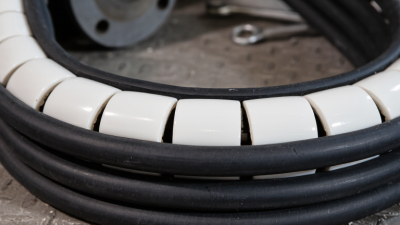
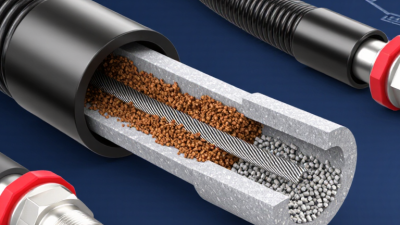
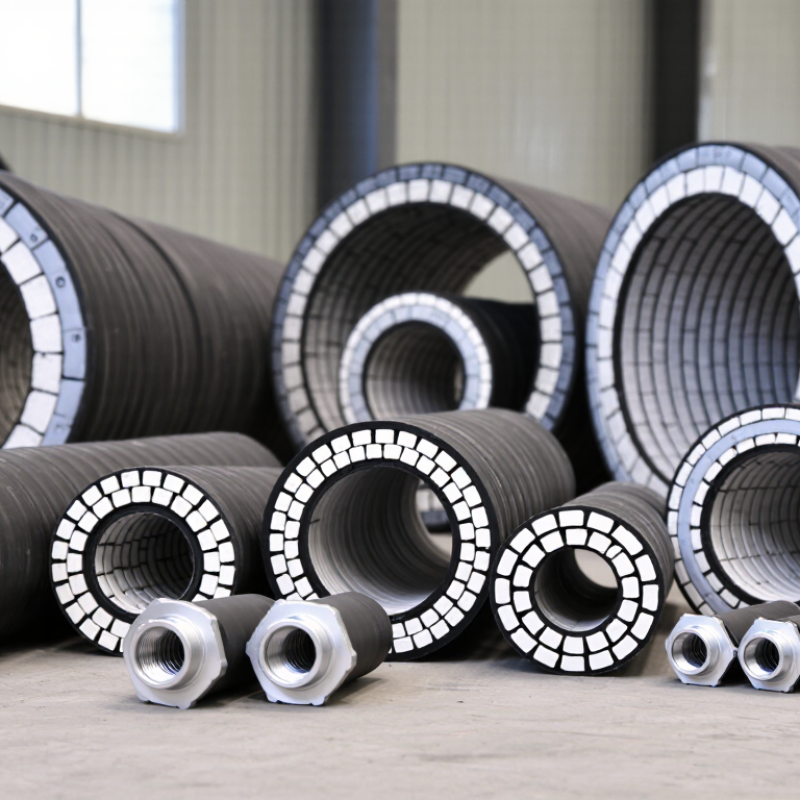
A ceramic rubber hose carries abrasive slurry through a flexible, reinforced line. Ceramic tiles or sleeves form a hard inner surface; the rubber backing cushions impacts and allows bending. Steel reinforcement helps the hose withstand pressure. As particles move through the bore, they strike and scour its lining. Ceramic can resist this abrasion, while rubber helps reduce the risk of brittle ceramic damage. It is a practical combination, not a guarantee. Sharp particles, high flow speeds, and tight bends can still accelerate wear.
The need to handle minerals is substantial: the USGS Mineral Commodity Summaries 2024 estimated global copper mine production at about 22 million metric tons in 2023. The IEA’s Global Critical Minerals Outlook 2024 reported that lithium demand grew 30% that year. These figures describe mineral production and demand, not hose performance. That distinction matters. Buyers should compare the hose’s working pressure, bend radius, temperature limits, and ceramic coverage, then request abrasion testing with representative slurry. Check the bore after service, too. A few exposed patches can be telling. Real wear rarely follows a neat chart.
Key Materials and Manufacturing Features
A ceramic rubber hose combines a wear-resistant lining with a flexible rubber body. The lining commonly uses alumina ceramic tiles or segments, set into rubber and vulcanized in place. Tile geometry matters: uneven edges or open gaps can expose the rubber to fast-moving slurry. Reinforcement layers, such as textile or steel cords, help the hose handle operating pressure, but the right construction depends on the application.
Raw-material figures need careful interpretation. The USGS Mineral Commodity Summaries 2025 estimates global bauxite mine production at about 430 million metric tons in 2024. Bauxite is a source material for alumina, but this figure does not measure the supply of hose-grade ceramic. Small details matter. Ask how the supplier controls ceramic placement, rubber cure, wall thickness, and bond quality. ISO 8033:2016 describes methods for measuring adhesion between hose components; it does not predict service life in every slurry system. Flow speed, particle shape, temperature, and installation bends also affect wear. A polished specification can still miss field conditions. Check test records and ask whether the tested hose matches the proposed dimensions and materials.
Major Applications Across Industries
2026 Top Ceramic Rubber Hose Suppliers for Global Buyers
Ceramic rubber hoses are used where abrasive material quickly wears ordinary pipework. In mining and mineral processing, they carry tailings, ore slurry, and sharp-edged particles between pumps and equipment. Ceramic elements resist abrasion, while the rubber body accommodates movement and helps absorb impact. Fit matters. Particle size, flow speed, pressure, and bend radius all affect service life.
Other demanding applications include cement production, steelmaking, and power generation. Cement plants may use these hoses to move abrasive slurry or process residues; steel facilities handle gritty water and scale-bearing mixtures. Power stations can use application-specific hoses for wet ash transport. Conditions vary widely. Buyers should confirm the material, temperature, pressure, and connection requirements with the supplier, then compare them with actual site measurements.
A hose selected from a catalog alone may not perform as expected. That estimate can still be wrong if operating conditions change, so maintenance records and wear inspections matter.
How to Evaluate Ceramic Rubber Hose Suppliers
When evaluating ceramic rubber hose suppliers, compare their products against your actual operating conditions, not just catalogue descriptions. Specify the conveyed material, particle size, flow rate, pressure, temperature, and hose length. A line carrying coarse mineral slurry may wear differently from one handling fine powder. Details matter.
Ask how ceramic tiles are fixed inside the hose and how the rubber compound is selected. Request written test data for abrasion, pressure, and temperature, including the test conditions. Results without methods are hard to compare. Check whether the supplier can provide batch traceability, dimensional drawings, and clear inspection records. If possible, trial a sample using your own material and note wear, flexibility, and fitting leaks over a defined period. One short trial cannot predict every season of service.
Evaluate the people and process behind the product, too. Ask how they investigate failures, handle custom dimensions, and communicate production changes. Verify lead times and replacement-part availability in writing. References from comparable applications can help, but operating conditions still vary. A supplier may offer detailed documents yet have limited experience with your specific duty; treat that as a point to investigate, not an automatic rejection. Compare quotations on construction, test evidence, and support, rather than price alone.
2026 Top Ceramic Rubber Hose Suppliers for Global Buyers
How to Evaluate Ceramic Rubber Hose Suppliers
Suggested weights for a 100-point supplier evaluation—not market survey results or supplier ratings. Compare suppliers using the same project requirements and request supporting evidence, such as test reports, material records, quality documentation, and delivery commitments.
Global Sourcing, Standards, and After-Sales Support
Global sourcing for ceramic rubber hoses starts with the duty, not the catalogue. Share the conveyed material, particle size, temperature, operating pressure, and expected flow rate with suppliers. A hose handling sharp mineral slurry may need different ceramic coverage from one carrying fine powder. Details matter. Confirm the lining layout, connection type, bend radius, and minimum installation space before approving a drawing.
Standards differ by market and application, so ask which test methods and documents apply to your project. Request pressure-test records, material specifications, inspection results, and clear traceability for the supplied batch. Check that stated limits match your actual operating conditions, not just ideal laboratory settings. A polished datasheet can still miss the awkward bend behind a pump. No checklist removes every surprise.
After-sales support should be discussed before an order ships. Agree on response times, spare-section availability, installation guidance, and the process for reviewing a failure. Ask how the supplier identifies wear patterns and whether photos, samples, or operating logs are needed. Keep those records accessible. For overseas deliveries, confirm packaging, shipment tracking, and who handles technical questions across time zones. A low purchase price can lose its appeal when a replacement section takes weeks to identify. Even a careful plan needs revisiting after real service data arrives.