How to Choose the Right Chemistry Hose for Your Laboratory Needs?
Selecting the correct Chemistry Hose is crucial for every laboratory. A suitable hose ensures safety and efficiency in handling chemicals. It is essential to consider various factors during this selection process.
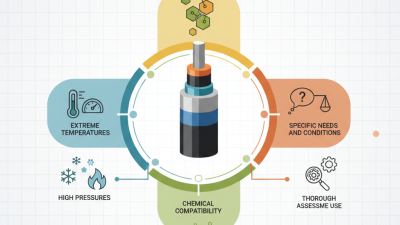
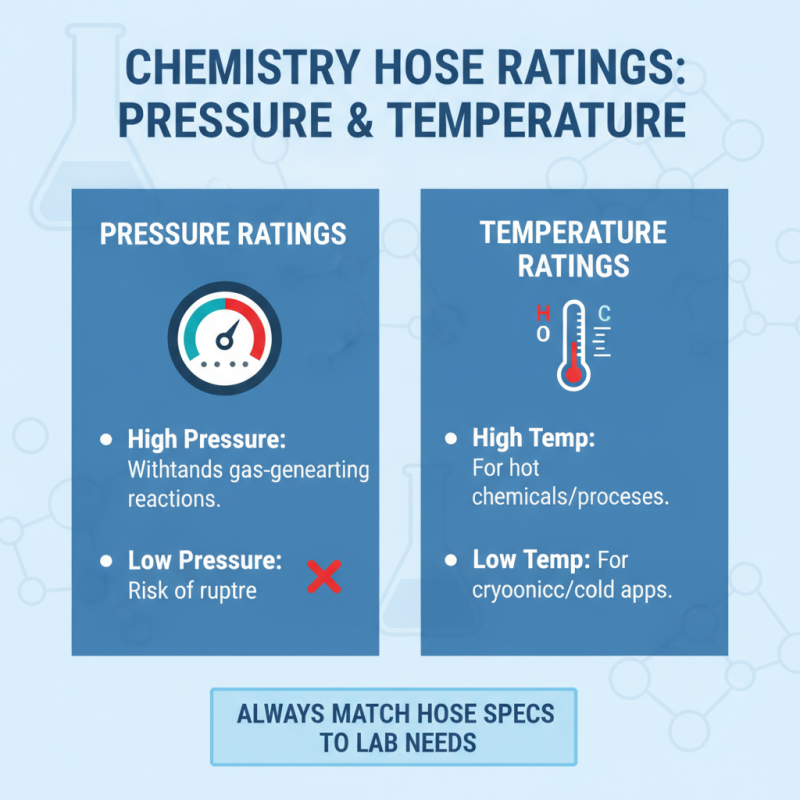
Laboratories use different chemicals with distinct properties. Not all hoses can manage harsh conditions. A high-quality hose must resist corrosion, temperature changes, and pressure variations. Choosing the wrong hose can lead to leaks or ruptures, posing serious risks.
Understanding the material composition of a Chemistry Hose is vital. Some hoses are flexible but may lack durability. Others may be sturdy yet difficult to maneuver. Reflecting on these aspects will help in making an informed choice. Take the time to evaluate your lab's specific requirements. This investment in the right Chemistry Hose ultimately enhances laboratory safety and productivity.
Understanding the Types of Chemistry Hoses Available in the Market
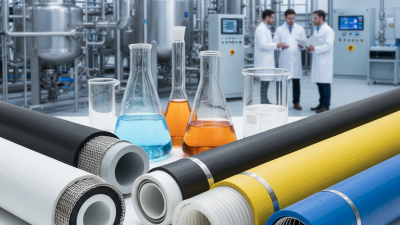
When selecting the right chemistry hose, it's crucial to understand the various types available. There are hoses made from different materials, each suited for specific tasks. For example, silicone hoses work well with high temperatures, while PVC hoses may be better suited for lower temperatures. Assessing the chemicals you’ll be working with is vital. Some hoses can degrade quickly when exposed to harsh substances.
Another key factor is the hose's flexibility and diameter. A more flexible hose can be easier to maneuver in tight laboratory spaces. However, this could lead to kinks and reduced flow. The diameter should match your application needs. A hose that is too narrow can restrict flow, while one that is too wide may be cumbersome.
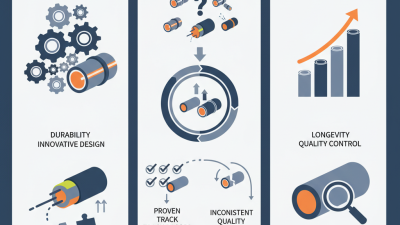
It's worth noting that not all hoses are created equal. You may find that certain hoses develop leaks or wear out faster than expected. Regular maintenance and inspections can help identify these issues early. Continuous education on new materials and technologies is also important, as advancements can offer better options for your laboratory.
Types of Chemistry Hoses by Common Applications
Evaluating Material Compatibility for Laboratory Applications
When selecting a chemistry hose for laboratory use, the material compatibility plays a crucial role. Different chemicals can react unpredictably with various materials. A study by the American Chemical Society shows that over 60% of laboratory incidents stem from material failure or inappropriate equipment. To avoid costly mistakes, it's essential to know the properties of the chemicals being handled.
Consider factors such as temperature, pressure, and the chemical's corrosiveness. For example, strong acids like hydrochloric acid can degrade rubber hoses swiftly. In contrast, fluoropolymers offer better resistance to a wider range of chemicals. A report from the National Safety Council indicated that nearly 30% of all lab accidents involve improper equipment choices. This highlights the necessity for thorough evaluation.
In some cases, even a small amount of contamination can lead to significant issues. Some hoses may not exhibit visible signs of wear until it's too late. Regular checks and maintenance are vital. Ultimately, ensuring compatibility between the hose material and the chemicals used enhances safety and efficiency in any laboratory setting.
Assessing Hose Length and Diameter for Specific Laboratory Needs
Selecting the right hose for your laboratory depends heavily on hose length and diameter. Your specific tasks will dictate the requirements for each. A hose that is too short may limit your reach, while one that is excessively long can lead to safety hazards. Consider the layout of your lab and the equipment you’ll connect with.
Diameter is equally important. A narrow hose may struggle to deliver the required flow rate. Conversely, a wider hose might be cumbersome and difficult to handle. If you’re transferring viscous liquids, a larger diameter helps. However, think about the space available in your workspace. If the diameter doesn’t fit comfortably, it may cause issues during experiments.
Always assess your laboratory's unique needs. Consult with colleagues to gather insights. They may have useful experiences that can guide your decision. An appropriate hose can enhance your workflow and safety, while the wrong choice could lead to inefficiencies. Take time to plan. You might find that what works in theory doesn't align with real-life applications.
Considering Regulatory Compliance and Safety Standards in Hose Selection
When selecting a chemistry hose for laboratory use, regulatory compliance is crucial. Hoses must meet standards set by organizations like OSHA and ASTM. These regulations ensure that the materials used can withstand chemical exposure. According to industry reports, approximately 30% of laboratory incidents arise from improper hose selection. This highlights the importance of adhering to safety standards.
Safety standards are not only about compliance but also about protecting personnel. Hoses should be resistant to the specific chemicals being transferred. Each chemical reacts differently with materials. For instance, a hose that works for acids may not be suitable for solvents. This gap in understanding can lead to breaches and accidents. Industry experts emphasize that lab managers must review the compatibility charts before making a choice.
Moreover, potential risks should not be overlooked. Some hoses may degrade over time, impacting their performance. Regular inspections are essential. Monitoring for cracks or wear can prevent accidents. An estimated 20% of laboratory setups fail to conduct these checks. Thus, a proactive approach reassures health and safety within the lab environment. Ultimately, knowledge of regulatory requirements and ongoing vigilance enhances a lab's overall safety profile.
How to Choose the Right Chemistry Hose for Your Laboratory Needs?
| Hose Type |
Material |
Temperature Range (°C) |
Chemical Compatibility |
Regulatory Compliance |
Safety Rating |
| PVC Hose |
Polyvinyl Chloride |
-10 to 60 |
Weak Acids, Bases |
FDA, RoHS |
Medium |
| Silicone Hose |
Silicone Rubber |
-50 to 200 |
Food Grade, Water |
FDA, NSF |
High |
| PTFE Hose |
Polytetrafluoroethylene |
-60 to 260 |
Strong Acids, Solvents |
FDA, ISO 9001 |
Very High |
| Rubber Hose |
Natural Rubber or Synthetic Rubber |
-30 to 85 |
Oils, Fuels |
REACH |
Medium |