Leave Your Message
*Name Cannot be empty!
* Enter product details such as size, color,materials etc. and other specific requirements to receive an accurate quote. Cannot be empty

How to Choose the Right Conveyor Belt Wiper?

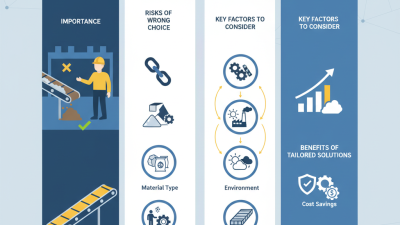
Choosing the right Conveyor Belt Wiper begins with the material, belt speed, moisture, and transfer-point conditions. A cleaner that performs well on dry limestone may struggle with sticky clay or wet coal. CEMA’s Belt Conveyors for Bulk Materials, Seventh Edition, stresses that carryback control depends on correct cleaner selection, installation, and maintenance. That point is easy to underestimate.

The details matter. A primary wiper removes heavy material near the head pulley. A secondary cleaner targets the thin film left behind. Tungsten-carbide blades often suit abrasive applications, while softer polyurethane can protect delicate belts. The correct tension is equally important. Excessive pressure may increase blade wear, belt damage, and energy use.

Martin Engineering conveyor specialist Dan Marshall has stated, “The best belt cleaner is one that is correctly specified, installed, and maintained.” His observation reflects field experience, not just product theory. It also exposes a common mistake: buying a high-performance cleaner without checking belt condition, splice design, or pulley alignment.

Industry reports support this practical approach. The Conveyor Equipment Manufacturers Association identifies belt cleaning as part of reliable bulk-material handling and safer conveyor operation. Market studies from Grand View Research also show continuing investment in conveyor systems across mining, aggregates, and logistics. More conveyors mean more cleaning challenges.

A useful choice must survive the real transfer point. Watch the belt after installation. Inspect the blade edge, spilled material, and wear pattern. Sometimes, the specification looks perfect on paper but fails beside the chute. That uncomfortable lesson deserves attention.
How to Choose the Right Conveyor Belt Wiper?

Understanding the Role of Conveyor Belt Wipers

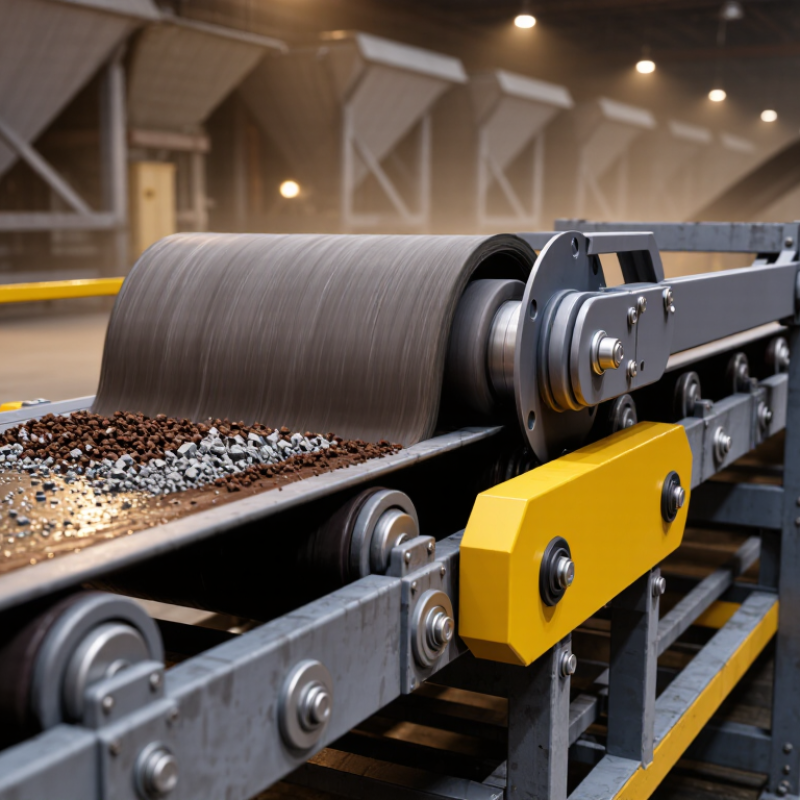
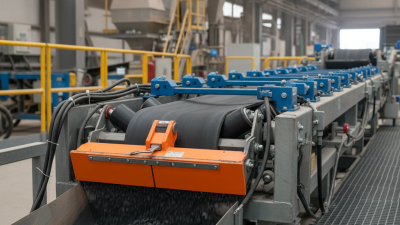
A conveyor belt wiper is more than a rubber blade. It controls carryback after material leaves the discharge point. Without effective cleaning, wet fines can form a dark, sticky trail beneath the return belt. That material may damage pulleys, clog walkways, and increase maintenance time. CEMA’s Belt Conveyors for Bulk Materials identifies belt cleaning as an important part of controlling spillage and protecting conveyor components. The right wiper depends on belt speed, material moisture, temperature, belt cover, and cleaner position.

Safety matters too. OSHA identifies moving conveyor parts and nip points as hazards requiring guarding and safe maintenance procedures. The U.S. Bureau of Labor Statistics recorded 5,283 fatal work injuries in 2023 across all industries. This figure is not conveyor-specific, but it shows why small maintenance details deserve attention. A wiper should clean consistently without cutting the belt or creating excessive pressure. In practice, more pressure is often mistaken for better cleaning. It can be the opposite.

Tips: Inspect the blade edge weekly. Look for uneven wear, trapped stones, and material stripes. Choose primary cleaning for bulk carryback, then add secondary cleaning when moisture remains. Confirm belt tracking before adjusting pressure. CEMA guidance and field experience both support regular inspection, yet real sites are rarely perfect. Dust, cold weather, and rushed shutdowns can change performance. Record these conditions before judging the wiper.
Identifying Your Conveyor System’s Cleaning Requirements

How to Choose the Right Conveyor Belt Wiper?

A conveyor belt wiper should match the material, belt speed, moisture, and transfer-point conditions. Do not choose by belt width alone. Fine, dry powder may form a thin dust film, while wet clay can create heavy, sticky carryback. CEMA’s Belt Conveyors for Bulk Materials provides design data for belt speed, material density, and loading conditions. These values help define the cleaner’s working environment.

Inspect the return belt after the discharge pulley. Look for buildup on idlers, spilled material beneath the conveyor, and grooves across the belt surface. A primary wiper removes the main layer. A secondary cleaner handles the remaining film. In wet applications, drainage and corrosion resistance matter. In abrasive service, blade wear can accelerate quickly. ISO 5048 also emphasizes accurate belt-tension and power calculations, which affect cleaner contact and belt tracking.

Measure before ordering.

Record belt width, belt speed, splice type, material moisture, and operating temperature. The U.S. Mine Safety and Health Administration’s injury reports repeatedly identify conveyor areas as serious risk zones, so access and guarding deserve equal attention. A cleaner that presses too hard may damage the splice or increase power demand. One that presses too lightly leaves carryback behind. Field inspections often reveal an uncomfortable truth: the selected cleaner is not always the real problem. Poor chute loading, misalignment, or weak tension can defeat good cleaning equipment. Review these conditions during normal production, not only during shutdowns.

Comparing Wiper Materials, Designs, and Mounting Methods

How to Choose the Right Conveyor Belt Wiper?

Material selection should match the conveyed product, belt speed, and moisture level. Polyurethane wipers suit wet, abrasive bulk materials and tolerate moderate temperature changes. Tungsten-carbide blades clean harder carryback, but they need accurate alignment. Rubber remains flexible and gentle on belts, especially with fragile material. It wears faster, though.

Design matters as much as material. Primary wipers remove thick carryback near the head pulley. Secondary wipers target the thin film left behind. A V-plow can protect the return belt from trapped rocks. Brush cleaners work well with fine, sticky dust, but they may clog. CEMA’s Belt Conveyors for Bulk Materials, 7th Edition, stresses matching cleaner selection with belt speed, material size, and transfer conditions. The choice is rarely universal.

Mounting methods affect safety and maintenance time. Spring-tensioned systems maintain contact as blades wear. Pivoting mounts handle small belt movements better than rigid frames. Pneumatic tensioning offers control, but it adds inspection points. ISO 14890:2013 establishes conveyor-belt performance requirements, reminding engineers to verify compatibility rather than trust appearance. A 2023 U.S. Bureau of Labor Statistics report recorded about 2.6 million nonfatal workplace injuries in private industry. Poorly contained carryback can increase cleaning exposure and access risks. I have found that the first wiper selection is often too aggressive. A clean pulley is not enough. Check blade pressure, mounting clearance, and the material trail after several shifts.

Selecting the Right Wiper for Belt and Operating Conditions

How to Choose the Right Conveyor Belt Wiper?

Selecting a belt wiper starts with the belt and its operating conditions, not the catalogue photo. Check belt width, speed, splice design, and material type. A wiper must contact the belt evenly without creating excessive drag. For wet, sticky material, a flexible polyurethane blade may perform well. Abrasive material can require a harder, more wear-resistant blade. Temperature also matters. Cold conditions can stiffen some materials, while heat may reduce their working life.

Tips: Observe the discharge area during operation. Look for carryback, uneven contact, vibration, and material buildup near the return rollers. Record belt speed and material moisture. Small details matter. A wiper that works on a dry limestone line may struggle with damp clay. Field inspections often reveal problems that specifications miss. In my view, this is where selection becomes practical rather than theoretical.

Consider the cleaning position as well. A primary wiper removes heavy carryback, while a secondary wiper handles the remaining fine layer. The mounting system should allow controlled pressure and simple adjustment. Too much pressure can polish the belt, damage splices, or shorten blade life. Too little pressure leaves visible residue. A perfect choice on paper can still fail after installation. Recheck it after several shifts, especially when material, weather, or production rates change. Expect some adjustment. That is not a design failure; it is part of reliable conveyor maintenance.

How to Choose the Right Conveyor Belt Wiper?

Select the wiper according to belt speed, material moisture, abrasiveness, and carryback. The chart below presents typical engineering guidance for choosing wiper tip hardness under common operating conditions.

Higher Shore A hardness is generally suitable for abrasive materials and higher belt speeds, while softer tips can provide better conformity on belts handling wet, sticky, or fine materials. Final selection should be verified against belt cover, splice design, temperature, and actual carryback conditions.

Planning Installation, Adjustment, and Routine Maintenance

How to Choose the Right Conveyor Belt Wiper?

Planning Installation, Adjustment, and Routine Maintenance
Choosing the right conveyor belt wiper starts before installation. Assess belt width, speed, material type, moisture, and expected carryback. A flexible blade may suit fine, damp material, while abrasive loads require stronger wear resistance. Check the conveyor frame and discharge area for mounting space. The wiper should contact the belt evenly without obstructing cleaners, rollers, or emergency access.
Installation accuracy matters. Mount the support frame square to the belt, then set light, consistent blade pressure. Excessive pressure can increase belt wear and motor load. Insufficient pressure leaves a visible trail of material behind the head pulley. Run the conveyor slowly during testing. Watch for vibration, edge lifting, or uneven contact. A perfect setting rarely survives real operating conditions, so adjustment may be necessary after the first shift.
Tips: Inspect the blade at every routine maintenance round. Look for cracks, glazing, uneven wear, and material buildup. Clean the mounting area before making adjustments. Record the adjustment position and inspection date. This simple record helps identify changing conditions. Do not wait for heavy spillage. Small carryback often signals poor alignment, worn components, or changing material moisture. I have found that maintenance teams sometimes tighten the wiper too quickly. That can hide the real problem and shorten belt life.