2026 Top Concrete Rubber Hose Innovations and Trends?
The landscape of construction and industrial applications continues to evolve, especially with innovations in Concrete Rubber Hose technology. These hoses cater to various needs, offering flexibility and strength in demanding environments. As we look towards 2026, several key trends are emerging that reshape how these hoses are utilized.
Innovative materials and design approaches are at the forefront. Manufacturers are focusing on durable materials that enhance the longevity of Concrete Rubber Hose products. Environmental concerns are driving the adoption of sustainable materials. However, some designs still face challenges in performance under extreme conditions.
Another aspect is the integration of smart technology. Hose systems can now monitor performance metrics in real-time, providing valuable data to users. This advancement is essential but may raise issues about data privacy and system reliability. As we explore these trends, the Concrete Rubber Hose market reveals both exciting opportunities and areas that require further reflection. The evolution of these products promises to improve efficiency, but cautious progress remains vital.
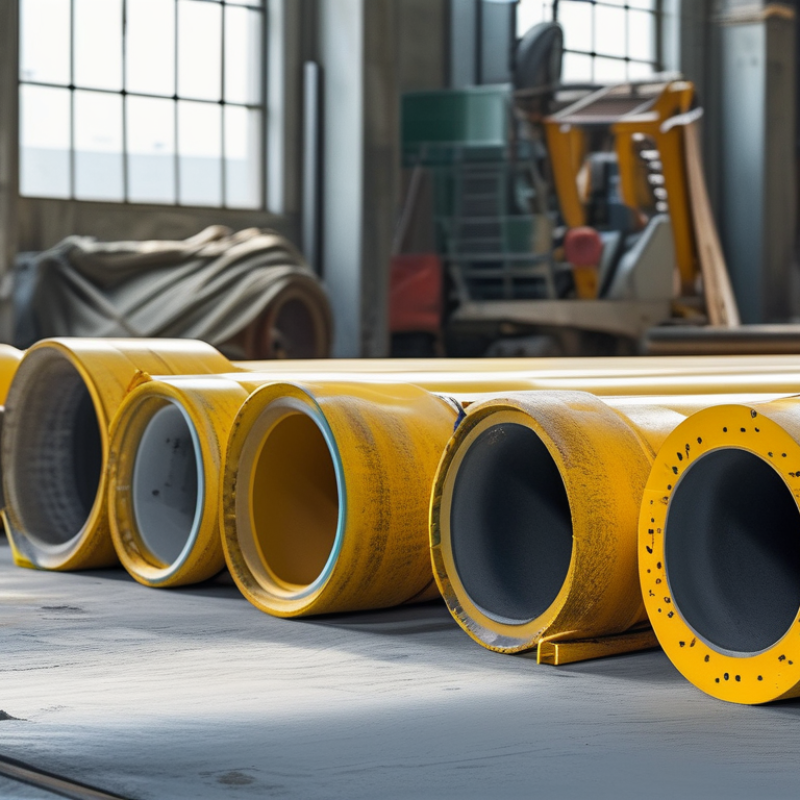
Key Innovations in Concrete Rubber Hose Design for 2026
As we look ahead to 2026, the concrete rubber hose industry is set to witness significant innovations. One major trend is the integration of advanced materials. These materials enhance flexibility and durability. Engineers are experimenting with new compounds that resist extreme temperatures and abrasion. This focus on resilience could revolutionize hose performance in construction.
Another critical area of development is the design itself. Streamlined manufacturing processes are emerging. They reduce production time while maintaining high quality. Automated systems help in achieving precise dimensions and consistent performance. However, there are challenges. Some manufacturers struggle with the initial investment in technology. These hurdles often lead to delays and increased costs.
Transparency in sourcing materials is also gaining traction. Companies are more aware of the environmental impact. They are seeking sustainable alternatives that align with eco-friendly practices. This shift is vital but requires careful consideration. Not all sustainable options meet the industry's rigorous standards. Balancing innovation with reliability will be a key task for engineers in the years ahead.
Emerging Materials and Technologies Enhancing Hose Durability
Emerging materials and technologies are reshaping the landscape of concrete rubber hose manufacturing in 2026. Recent industry reports indicate that advances in thermoplastic elastomers (TPEs) are enhancing hose flexibility and durability. TPEs offer improved resistance to chemicals and extreme temperatures. This innovation could extend the lifespan of hoses significantly, potentially reducing replacements by up to 30%.
Another noteworthy trend involves the integration of nanotechnology in hose production. Incorporating nanoparticles can increase strength without adding bulk. A study highlighted that hoses treated with nanomaterials show an increase in tensile strength by 25%. This could lead to lightweight, yet robust, hoses suitable for diverse applications. However, challenges remain, such as ensuring uniform dispersion of nanoparticles in the material matrix.
Additionally, recycling initiatives are gaining momentum. Using recycled materials not only lowers production costs but also decreases environmental impact. Reports indicate that up to 40% of raw materials can be sourced from recycled products in the next few years. There is room for improvement in process standardization to ensure quality when using recycled inputs. As the industry pushes forward, balancing innovation with sustainability will be crucial.
Trends in Environmental Sustainability in Concrete Rubber Hose Production
The landscape of concrete rubber hose production is shifting towards
environmental sustainability. Industry reports
indicate that up to 75% of manufacturers are adopting greener practices. These include
the utilization of recycled materials and eco-friendly production techniques. As companies aim to
reduce their carbon footprint, innovations are crucial for meeting market demands.
A recent study highlights that replacing traditional raw materials with recycled alternatives can cut
emissions by 30%. This approach not only minimizes waste but also reduces the
depletion of natural resources. Implementing energy-efficient machinery in manufacturing can lead to a
20% reduction in energy consumption. However, many manufacturers
face challenges in balancing cost and sustainability.
Sustainability also impacts consumer preferences. Surveys show
that 60% of consumers prefer products created with environmental responsibility in mind.
Despite this, many production processes still rely on outdated practices that do not prioritize
eco-friendliness. Adopting innovative technologies is
essential for improvement in this area. The future of concrete rubber hoses lies in embracing
sustainability while acknowledging that change comes with challenges and requires ongoing reflection
and adaptation.
Market Demand Shifts for Concrete Rubber Hoses in Various Industries
The landscape of concrete rubber hose demand is evolving rapidly across multiple industries. Industries such as construction, mining, and agriculture are increasingly relying on these hoses for their durability and flexibility. According to recent market research, the concrete rubber hose segment is projected to grow at a CAGR of around 5.2% through 2026. This shift in demand is influenced by the pursuit of efficiency and sustainability.
One notable trend is the increased focus on environmentally-friendly materials. Manufacturers are exploring eco-friendly alternatives to traditional rubber compounds. As regulations tighten, companies face pressure to adopt greener practices. This shift may require investment in research and development, which could pose challenges for smaller manufacturers. On the flip side, those who adopt new technologies are likely to gain a competitive edge.
Tips: Consider conducting regular audits of your supply chain. This can help identify areas for improvement. Furthermore, engage with suppliers about their sustainability initiatives. Such discussions can lead to better practices and products. Lastly, keep an eye on industry reports to stay updated on trends and innovations. Adapting to market changes requires both foresight and flexibility.
Future Applications and Use Cases for Concrete Rubber Hoses in Construction
Concrete rubber hoses are evolving rapidly, especially in the construction sector. Their flexibility and durability make them ideal for various applications. These hoses can handle extreme weather conditions. This capability ensures reliability in diverse job sites.
Future applications include not just transporting concrete, but also integrating with smart technology. Sensors within hoses could monitor material flow. This real-time data could enhance efficiency, though implementation may face technological barriers.
Moreover, construction sites often deal with unpredictable conditions. Testing new rubber formulations may lead to unexpected challenges. The industry must be cautious about durability versus cost-effectiveness. Innovations must balance quality and affordability for wider adoption. These advancements could revolutionize how concrete is delivered but also require careful consideration of practical limitations.